


(CN) - Voting rights groups are suing the Louisiana secretary of state to stop Governor Jeff Landry from suspending the state's primaries for the U.S. House of Representatives.
The primary elections were scheduled for May 16, with runoffs June 27. But after the U.S. Supreme Court found the state's current congressional map unconstitutional, Landry issued an executive order April 30, pushing the primaries for the state's six House seats to July so the Legislature can redraw the districts.
In a complaint filed Monday in the U.S. District Court for the Middle District of Louisiana, the League of Women Voters of Louisiana, the League of Women Voters of Louisiana Education Fund and several voters claim the governor's order "has caused mass confusion at the polls," with people unsure whether the elections will take place or if their votes will be counted.
The groups claim that as of Saturday nearly 80,000 votes had already been cast in the primaries, with the House races still appearing on the ballot.
"The purported cancellation of the congressional primary after plaintiffs and many other voters have already cast and continue to cast valid ballots severely and unreasonably burdens their fundamental right to vote because it effectively invalidates all those votes based on retroactive orders that are out of the voters' control," the groups wrote.
The secretary of state and Landry's offices did not immediately respond to requests for comment sent outside of work hours.
Separate lawsuits challenging the governor's executive order have also been filed by a Democratic primary candidate and the National Council of Jewish Women - Greater New Orleans Section.
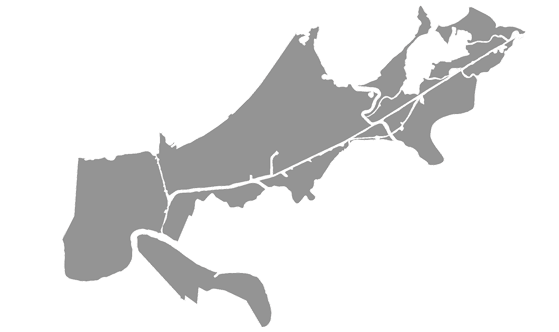
On April 29, the Supreme Court ruled in Louisiana v. Callais that the state's current congressional map is an unconstitutional racial gerrymander. The Louisiana Legislature drew the map in January 2024 after a federal judge found a prior map, with only one majority-Black congressional district, likely violated the Voting Rights Act by diluting Black voting power.
In its landmark ruling, which critics say weakens the Voting Rights Act, the Supreme Court found the original map did not violate the act and therefore the Legislature was not constitutionally justified in relying on race to draw a new map with a second majority-Black district.
The League of Women Voters of Louisiana's lawsuit relies in part on the argument that the Supreme Court had not yet finalized its ruling in Callais. Under normal procedure, the court waits 32 days before sending a certified copy of a judgment to the clerk of the lower court to give the losing party time to request a rehearing.
However, the Supreme Court issued an unsigned order Monday allowing the judgment in Callais to take immediate effect. Justice Ketanji Brown Jackson, a Joe Biden appointee, criticized the decision in a dissenting opinion, saying fast-tracking certification of the ruling is "tantamount to an approval of Louisiana's rush to pause the ongoing election in order to pass a new map."
The American Civil Liberties Union, which represents the plaintiffs in the League of Women Voters of Louisiana's lawsuit, did not immediately respond to an after-hours request for comment on how the high court's order will affect the plaintiffs' claims.
Source: Courthouse News Service