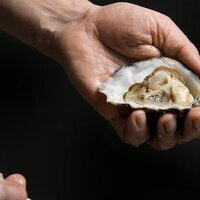


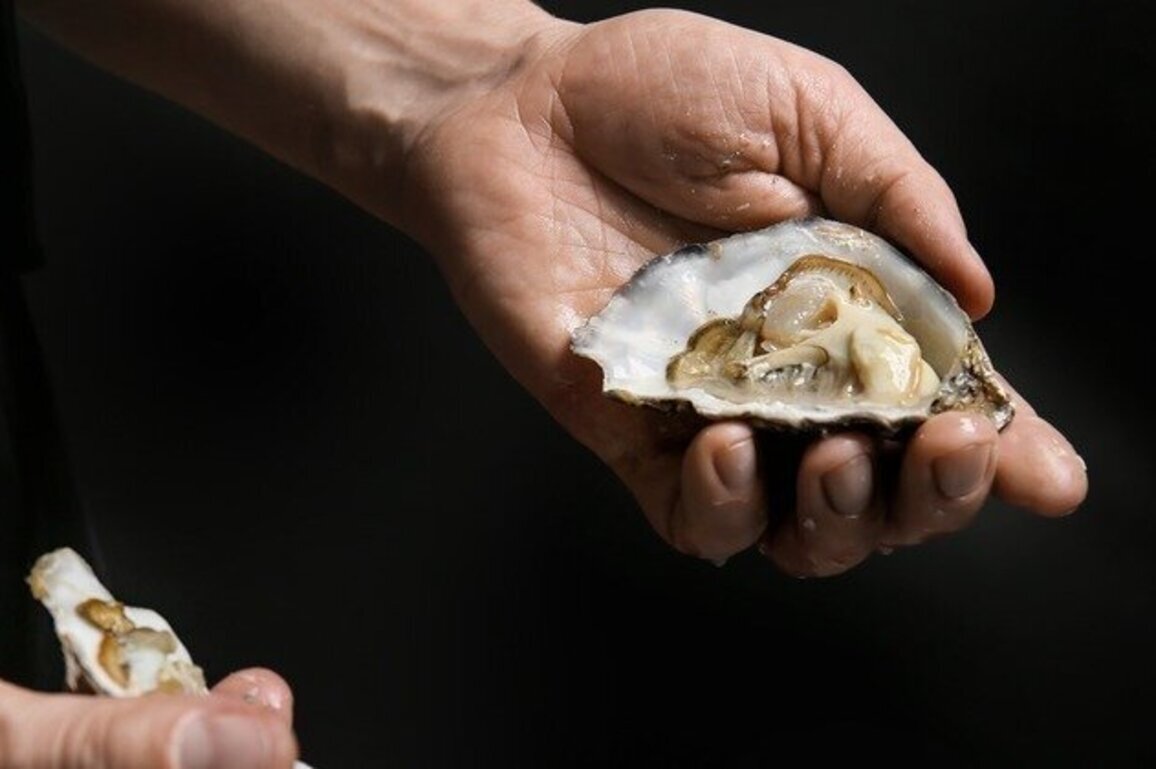
The future of oyster harvesting in Louisiana may increasingly depend on farms where mollusks are grown in cages, as wild oyster populations decline across the state’s bayous.
Jason Pitre, an oyster harvester and member of the United Houma Nation, grew up watching his grandfather do the same work. But wild oysters have faced difficult decades. After the BP oil spill in 2010, many oysters, which require saltwater, died, and Pitre’s grandfather could not harvest them.
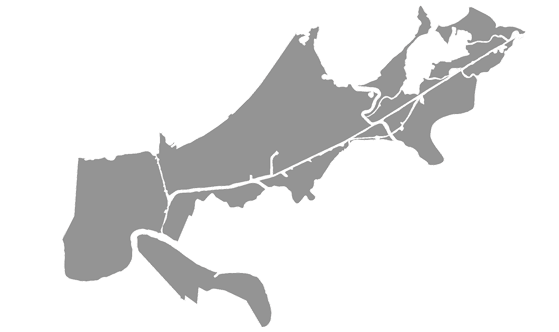
When they returned to the water, Pitre explained, the landscape his grandfather knew so well had changed as Louisiana also grappled with coastal erosion.
“I noticed him scratch his head, and he’s looking out the window,” Pitre recounted. “Then he walks to the other side of the boat. Looks out that window. The look of confusion because landmarks he had known were completely gone.”
Pitre later worked as a nurse in California, where he overheard colleagues discussing oyster farming. The practice had taken off along other coasts, but not in his native bayous. Out of curiosity, he visited an oyster farming operation, an experience which put him on a path toward helping sustain his family’s way of life.
Experts said oyster farms tend to be beneficial to the environment. One potential downside is they do not contribute to reefs which can help protect coastlines.
When Pitre brought the idea of the new form of harvesting to his grandfather, he was skeptical.
“It was something new to him and you’ve been doing something one way your whole life,” Pitre said. “Your ancestors had done it one way. So it’s like, ‘Yeah, I’m interested, but I’m going to take it with a grain of salt.’”
But after visiting another oyster farm in Louisiana, Pitre added his grandfather was on board.
Oyster farms still present economic challenges because wild harvest operations remain cheaper. Many harvesters stick with the traditional approach until the wild population is no longer viable.
For Pitre, keeping an open mind allows him to stay connected to an ancestral tradition.
“There’s an economic model that says you need to sell your oyster for this price if you have this many oysters in the water to be profitable,” he said. “But that’s so far down on the list of why we’re here and why we exist.”
This story was produced with original reporting from Boyce Upholt for the Food and Environment Reporting Network.
Source: Public News Service